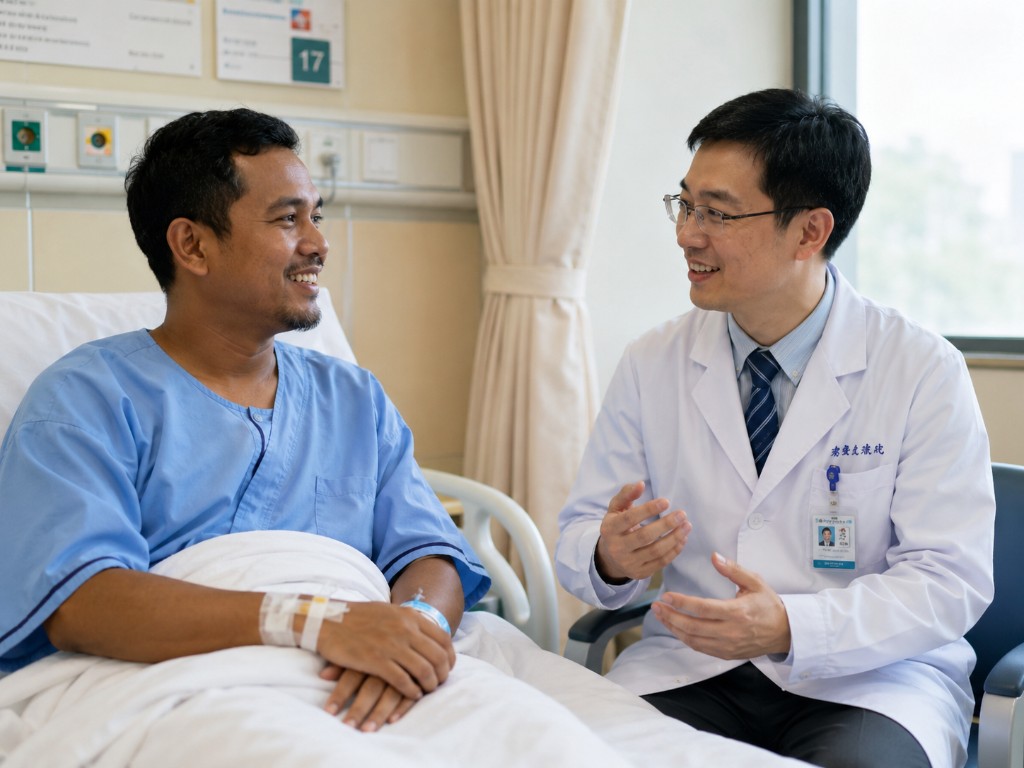
Doctor speaking with a patient in a hospital room in China

Patient Success Stories:
Navigating Medical Tourism in China

Expert Logistics and Concierge Support for Complex Care

Facing a serious health diagnosis can be overwhelming, especially when local treatment options feel limited. For many patients, exploring medical tourism in China offers access to advanced treatments and world-class specialists—but the logistical barriers can be daunting. This is where UMedGlobal steps in as your dedicated cross-border medical concierge.

Our core mission is to bridge the gap between global patients and China's leading healthcare institutions, making the pathway safer and highly efficient. We manage the complex logistics, medical translation, and specialist coordination, allowing you and your family to focus entirely on treatment and recovery.

Below, you will find case studies from patients who have navigated this journey with us. To protect patient confidentiality, all names and identifying details have been strictly anonymized, but every outcome reflects a verified, real-world case of advanced care accessed through our network. Explore these clinical pathways to understand how our targeted guidance can support your healthcare journey.

Case Study: World’s First 0.017-Inch Flow-Diverting Stent for Distal Cerebral Aneurysms

Background

Two women (46 and 67) were diagnosed with cerebral aneurysms in parent arteries measuring only 1.6 mm and 1.7 mm—too small for any flow-diverting stent then available in mainland China.

Procedure

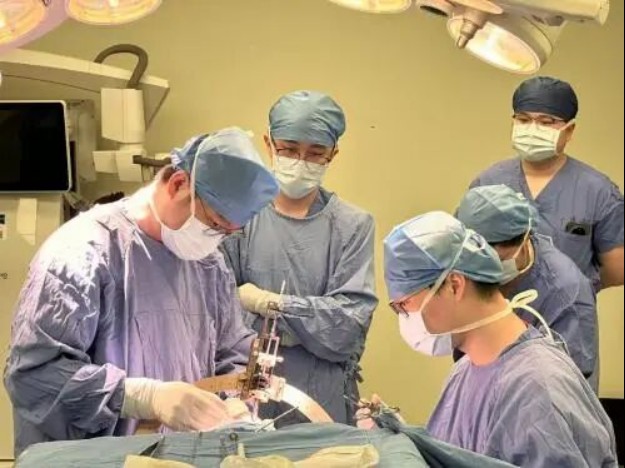
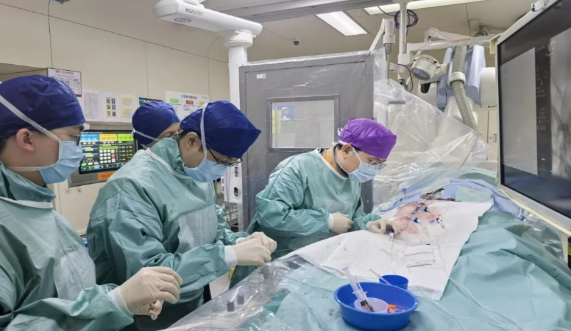
Under the Hong Kong-Macao Drug and Device Connect policy, Dr. Liang Feng’s team at Sun Yat-sen University introduced the world’s first 0.017-inch microcatheter-compatible flow-diverting stent. In May 2023, both patients underwent minimally invasive stent deployment to restore blood flow.

Outcome

Postoperative angiography showed markedly reduced aneurysmal flow with patent parent and distal vessels. Both patients remained stable, symptom-free, and were discharged the next day.
Case Study: Pioneering Ex Vivo Brain “Revival” After Cardiac Arrest

Background

After cardiac arrest, the brain tolerates only 5–8 minutes of ischemia; resuscitation success is low and survivors often suffer severe brain injury. Professor He Xiaoshun’s team at Sun Yat-sen University, with international partners, explored a novel ex vivo brain “revival” approach.

Procedure

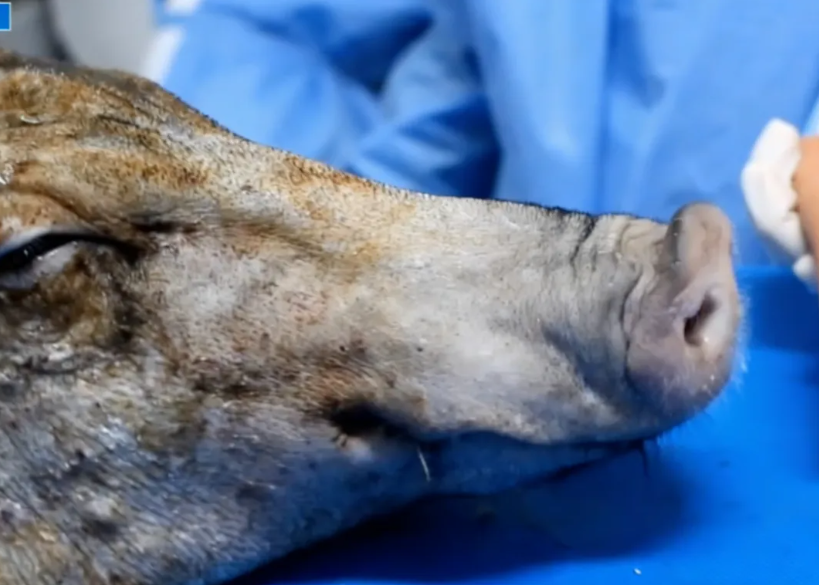
In pigs, the team induced cardiac arrest, explanted the brain, and after 50 minutes of ischemia used a self-developed maintenance technique to connect it to an artificial heart–lung–liver support system, restoring full circulation.

Results

The ex vivo brain regained electrical activity and viability. With liver support, brain edema fell and neuronal viability improved versus cardiopulmonary support alone—confirming the liver’s critical role after cardiac arrest. Published as a cover article in EMBO Molecular Medicine.

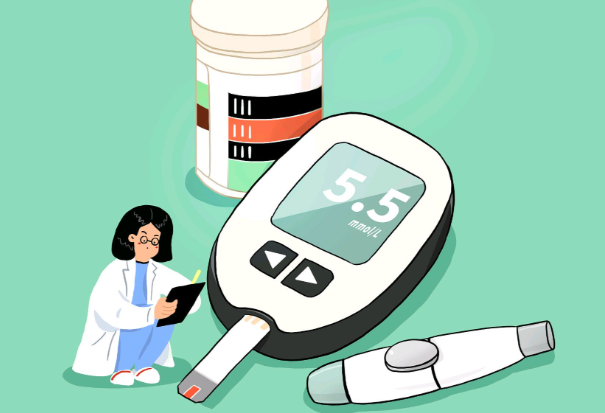
Case Study: Step-Down Linagliptin and Metformin Therapy for Severe New-Onset Type 2 Diabetes

Background

Type 2 diabetes prevalence in China is 12.8%. Traditional step-up therapy adds drugs as disease progresses, conflicting with patients’ wish for simpler regimens. Whether newly diagnosed severe cases can safely step down after intensive therapy remained unclear.

Procedure

Professor Li Yanbing’s team ran a 15-center RCT of 412 new-onset patients with severe hyperglycemia (mean HbA1c 11.0%). After 2 weeks of short-term insulin, patients were randomized to 48 weeks of linagliptin plus metformin, linagliptin alone, metformin alone, or lifestyle intervention.

Results

At week 48, 80.4% in the combination group reached HbA1c <7.0% vs. 60.2% in controls; β-cell function was better preserved with good safety and adherence. Published in The BMJ.

Case Study: 24-Year Evidence for Early Insulin Strategy in Type 2 Diabetes

Background

Conventional stepwise type 2 diabetes care often delays insulin, leaving prolonged poor glycemic control and higher complication risk.

Procedure

Professor Weng Jianping’s team followed 5,424 patients from 19 Chinese tertiary hospitals for 24 years, comparing early intensive insulin therapy with standard stepwise care.

Results

Early insulin reduced stroke risk by 31% and heart-failure hospitalization by 28%. Published in Signal Transduction and Targeted Therapy; related work had appeared in The Lancet.

Case Study: Medial Retropharyngeal Region-Sparing Radiotherapy for Nasopharyngeal Carcinoma

Background

Post-radiotherapy dysphagia affects up to 35.4% of nasopharyngeal carcinoma patients because standard fields over-irradiate swallowing structures. Sun Yat-sen University Cancer Center research showed medial retropharyngeal metastases are rare (0.6%), supporting smaller target volumes.

Procedure

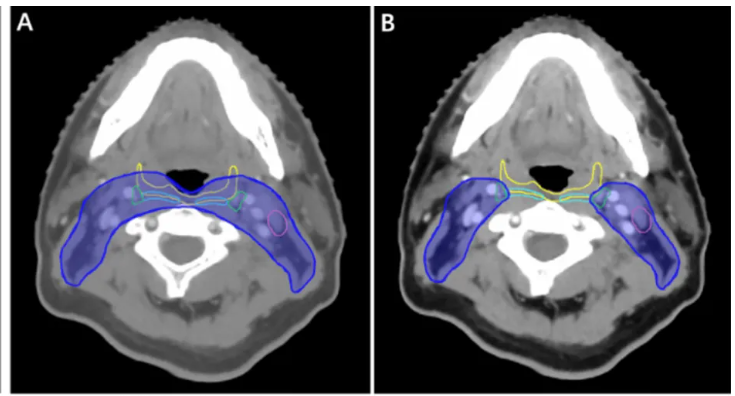
Ma Jun and Mao Yanping’s team tested medial retropharyngeal region-sparing radiotherapy in a 2017–2018 phase III RCT of 568 patients without medial retropharyngeal involvement. Results were published in The BMJ.

Results

At 70-month follow-up, 5-year local control and survival matched standard radiotherapy, while grade ≥1 dysphagia (22% vs. 32%) and grade ≥2 xerostomia (16% vs. 25%) fell significantly. High-dose pharyngeal constrictor volume dropped from 63% to 8%, preserving swallowing function.

Case Study: Percept™ RC Closed-Loop Deep Brain Stimulator for Parkinson's Disease

Background

Ms. Tang, a Guangzhou resident with Parkinson's for six years, saw symptoms progress to immobility. The Second Affiliated Hospital of Guangzhou Medical University introduced a next-gen closed-loop DBS with brain-computer interface, offering real-time, automatic stimulation—a major breakthrough.

Results

At Guangzhou Medical University's Second Affiliated Hospital, specialists implanted Ms. Tang with the world's newest rechargeable closed-loop DBS, Percept™ RC. Integrating brain-computer interface technology, it senses EEG signals and adjusts stimulation in real time. Post-surgery, her symptoms significantly improved.

Significance

Professor Liu Jun stated that Parkinson's remains treatable even when drugs fail. The hospital's closed-loop DBS captures and modulates brain signals in real time. Combined with full-course disease management, it ensures timely, precise care and symptom improvement. International patients can access world-class long-term treatment in Guangzhou. Ms. Tang said, "I can finally live a normal life!"

Case Study: Carboplatin-Based Induction-Concurrent Chemoradiotherapy for Locally Advanced Nasopharyngeal Carcinoma

Background

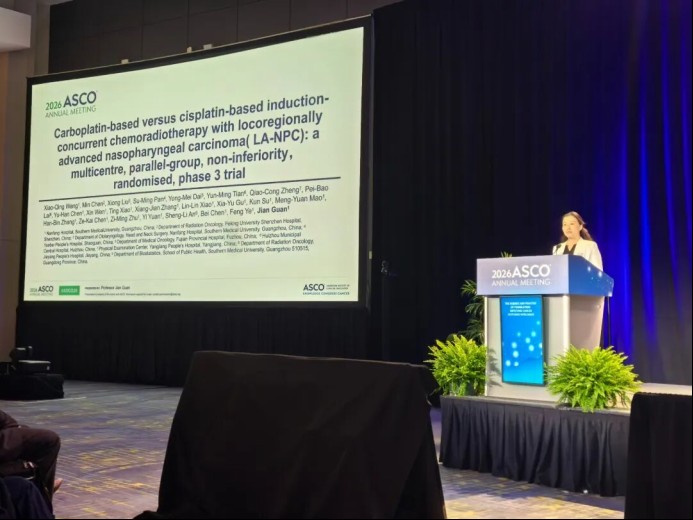
Cisplatin in standard nasopharyngeal carcinoma treatment causes severe toxicity. Professor Guan Jian's team at Nanfang Hospital led a phase III trial comparing carboplatin- versus cisplatin-based induction chemotherapy plus concurrent chemoradiotherapy, aiming to reduce toxicity while maintaining efficacy.

Results

A 482-patient study on advanced nasopharyngeal carcinoma first showed that carboplatin-based "induction plus concurrent" therapy is non-inferior to cisplatin, with lower hematologic, gastrointestinal, and renal toxicity. The findings were presented at ASCO 2026, receiving a Merit Award and filling a global evidence gap.

Significance

This study provides evidence for a "less toxic, equally effective" strategy, enabling elderly or borderline renal function patients to safely avoid cisplatin toxicity. The team is now researching elderly populations to develop more personalized, humane approaches, reflecting a clinical-problem-driven philosophy focused on reducing toxicity while improving efficacy.

Facilitating Your Pathway for Medical Tourism in China

Cross-border medical travel necessitates precise and professional coordination. Should you be exploring medical tourism in China for advanced treatments or expert second opinions, our coordination team stands ready to assess your needs. As a dedicated medical consulting service provider, YouMed rigorously manages cross-border logistics, hospital admission arrangements, and medical interpretation. We do not provide direct medical advice; all clinical decisions are made independently by licensed physicians at partner hospitals. Please feel free to contact us to explore how we can establish a safe, transparent, and efficient medical logistics pathway for your healthcare journey.

Start Free Assessment